Kitchen Flooring in Matthews, NC — Durable & Stylish Options | Discount Floor Covering Outlet
Published September 5, 2026
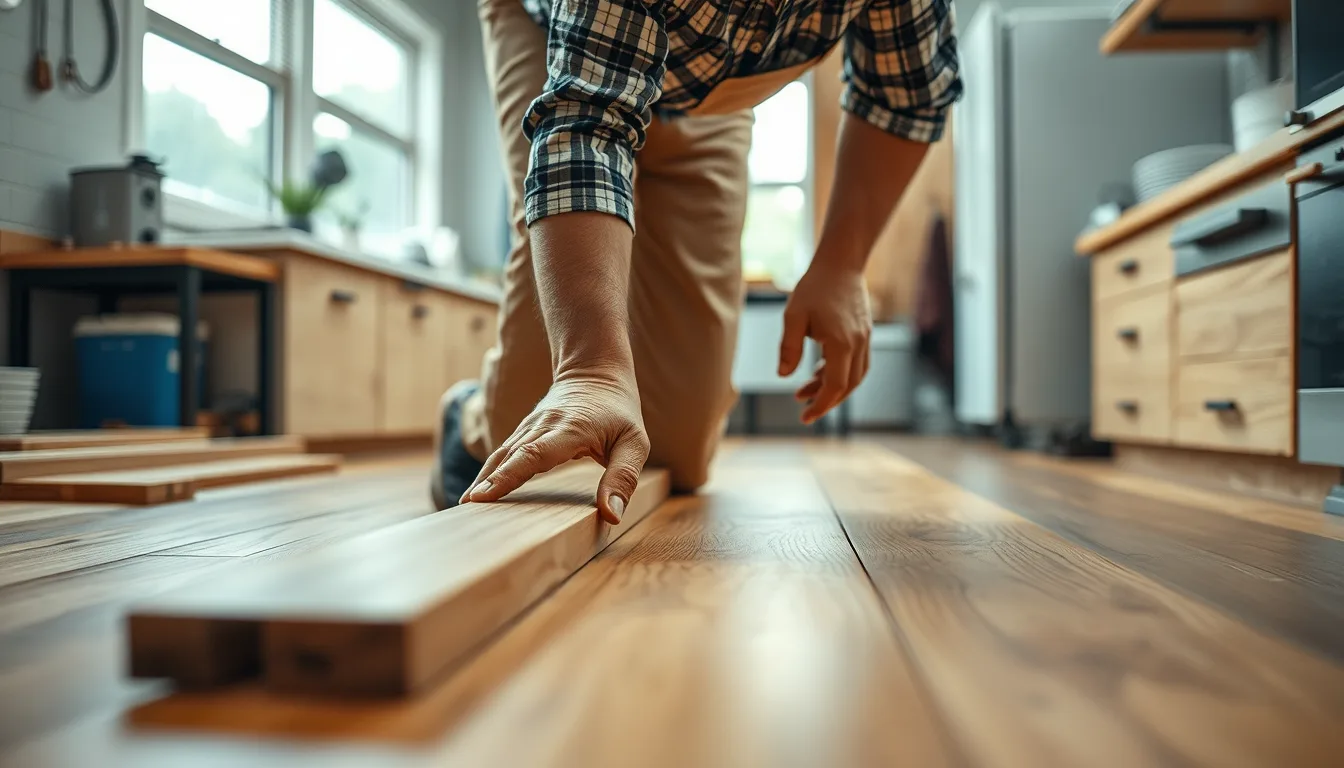
Kitchen flooring must withstand constant foot traffic, water exposure, dropped objects, and frequent cleaning while maintaining its appearance. Discount Floor Covering Outlet provides durable and stylish kitchen flooring options throughout Matthews, NC, with expert Cheryl Magliocca guiding selections based on each kitchen's specific demands.
Why does kitchen flooring require different considerations than other rooms?
Kitchens experience unique conditions that accelerate flooring wear: standing water from leaks or spills, grease and food stains, heavy appliances that can dent or scratch surfaces, and temperature fluctuations near ovens and refrigerators. Flooring materials that perform well in living rooms or bedrooms may warp, stain, or deteriorate quickly under kitchen conditions. The ideal kitchen floor balances water resistance, impact durability, stain resistance, and ease of cleaning with the visual appeal that complements cabinetry and countertops.
What flooring materials work best in kitchens?
Luxury vinyl plank (LVP) and luxury vinyl tile (LVT) offer waterproof construction, scratch resistance, and realistic wood or stone looks at accessible price points. Porcelain and ceramic tile provide complete water immunity and extreme durability, though grout lines require sealing to prevent staining. Natural stone such as slate or granite delivers premium aesthetics and durability but demands regular sealing and careful maintenance. Engineered hardwood can work in kitchens with proper finish protection, while solid hardwood and laminate are generally not recommended due to moisture vulnerability.
How does the kitchen flooring installation process work?
Installation begins with removing existing flooring and inspecting the subfloor for levelness, moisture issues, or damage that could compromise the new floor. The subfloor is repaired and leveled as needed, then any required underlayment is installed based on the flooring type selected. The new flooring is then installed using the appropriate method—floating installation for LVP, thinset mortar for tile, or adhesive for sheet vinyl—with careful attention to transitions where the kitchen meets adjacent rooms and cutouts around cabinets, islands, and appliances.
What should you consider when choosing kitchen flooring?
Evaluate how much time you're willing to spend on maintenance: luxury vinyl requires only sweeping and damp mopping, while natural stone needs periodic sealing and specialized cleaners. Consider household activity levels—homes with children, pets, or frequent cooking benefit from highly durable, stain-resistant options like porcelain tile or LVT. Budget should account for both material costs and installation complexity, as tile installation typically costs more than vinyl but offers longer lifespan. Visual continuity with adjacent rooms matters if your kitchen opens into dining or living areas, influencing whether you match existing floors or create intentional transitions.
How long does kitchen flooring typically last?
Porcelain and ceramic tile can last 20 to 50 years or more with proper care, making them the most durable kitchen flooring option. Luxury vinyl plank and luxury vinyl tile typically provide 15 to 25 years of service depending on wear layer thickness and traffic levels. Natural stone flooring can last indefinitely with regular sealing and maintenance, though high-traffic patterns may show wear after 20 to 30 years. Proper installation and immediate cleanup of spills significantly extend the lifespan of any kitchen flooring material.
Frequently Asked Questions About Kitchen Flooring
**Can you install kitchen flooring around existing cabinets?** Yes, flooring can be installed around cabinets already in place, though installing flooring before cabinets allows for easier replacement of cabinets later without creating gaps or mismatched sections. **Does kitchen flooring need to match the rest of the house?** Matching creates visual flow in open floor plans, but intentional transitions between rooms using different materials or colors is equally valid and can define separate functional spaces. **How soon can you use a kitchen after new flooring installation?** Luxury vinyl can typically be walked on immediately after installation, while tile requires 24 to 72 hours for mortar and grout to cure before resuming normal kitchen use.
Key Takeaways
Kitchen flooring must resist water, stains, impacts, and heavy traffic while maintaining appearance. Luxury vinyl plank, porcelain tile, and ceramic tile offer the best combination of durability and water resistance for kitchen environments. Installation involves subfloor preparation, material selection based on household needs, and careful integration with cabinets and appliances. Material lifespan ranges from 15 years for vinyl to 50-plus years for tile, depending on quality and maintenance. Discount Floor Covering Outlet provides expert guidance from Cheryl Magliocca to match kitchen flooring to specific cooking habits, household activity, and design preferences throughout Matthews and surrounding areas.
| Material | Water Resistance | Durability | Maintenance Level | Typical Lifespan |
|---|---|---|---|---|
| Luxury Vinyl Plank/Tile | Waterproof | High impact resistance | Low — sweep and mop | 15-25 years |
| Porcelain Tile | Completely waterproof | Extremely durable | Low — sealed grout needed | 20-50+ years |
| Ceramic Tile | Waterproof | Very durable | Low — grout sealing required | 20-40 years |
| Natural Stone | Requires sealing | Very durable | Moderate — regular sealing | 30+ years with care |
| Engineered Hardwood | Moderate with finish | Moderate | Moderate — avoid standing water | 15-25 years |