Basement Flooring in Matthews, NC — Solutions for Below-Grade Spaces
Published September 5, 2026
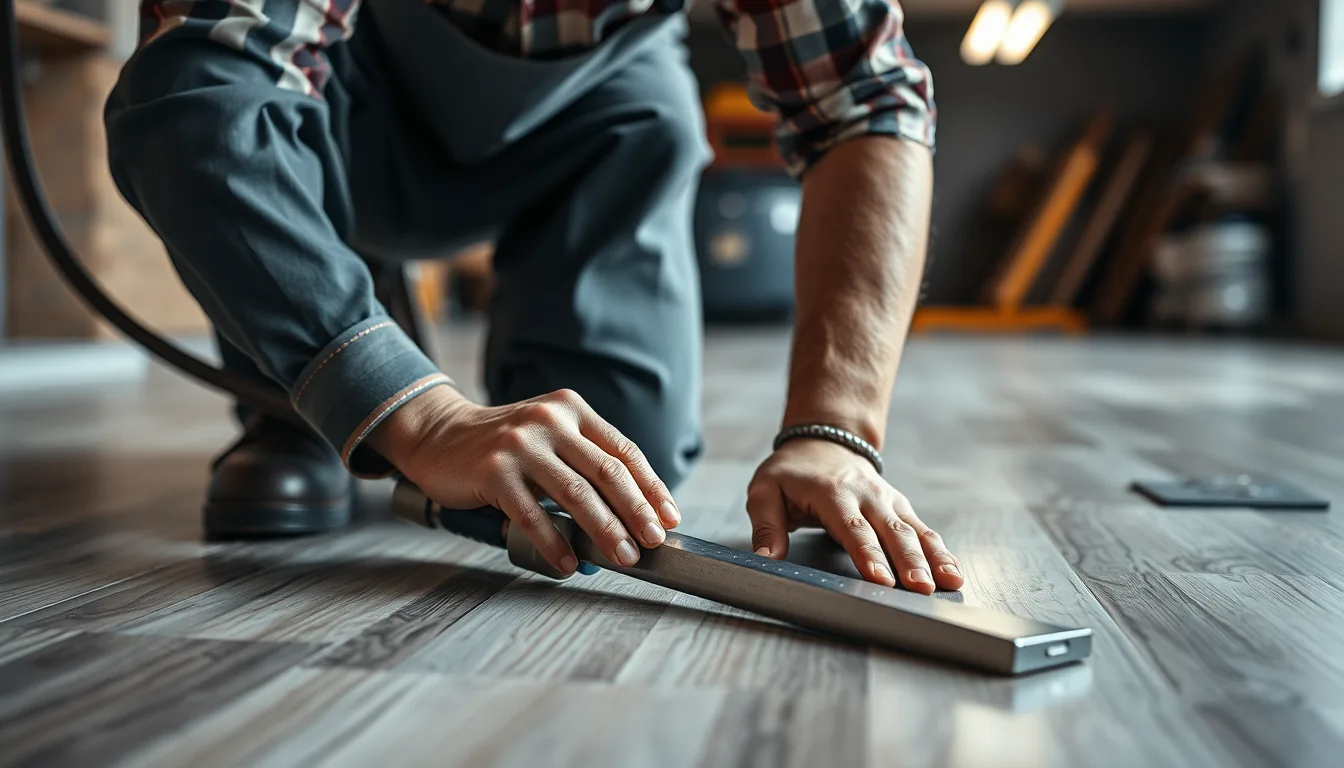
Basement flooring requires materials specifically designed to handle below-grade moisture, temperature fluctuations, and concrete subfloors. Discount Floor Covering Outlet provides flooring solutions designed for basement spaces in Matthews, NC, working directly with flooring expert Cheryl Magliocca to select moisture-resistant options with professional installation.
Why Basements Need Different Flooring Than Upper Floors
Basements sit below ground level, which exposes them to higher humidity, potential water intrusion, and temperature changes that standard flooring can't always handle. Concrete subfloors in basements also release moisture vapor over time, which can damage flooring not rated for below-grade installation. Materials like solid hardwood, standard carpet padding, and some laminates will warp, buckle, or develop mold in basement conditions without proper moisture barriers or alternative product selection.
What Flooring Materials Work Best in Basements
Luxury vinyl plank (LVP) and luxury vinyl tile (LVT) are the most popular basement flooring choices because they're 100% waterproof, install directly over concrete, and handle temperature swings without expanding or contracting. Porcelain and ceramic tile also work well in basements due to their water resistance and durability, though they require a moisture barrier underlayment in some cases. Engineered hardwood can be used in dry, climate-controlled basements, but it's not recommended in spaces prone to dampness or without proper vapor barriers.
How Basement Flooring Installation Works
The installer first assesses the concrete slab for moisture levels using a moisture meter or calcium chloride test to determine if a vapor barrier is needed. Any cracks, uneven spots, or drainage issues are addressed before installation, and the concrete is leveled with self-leveling compound if necessary. The flooring is then installed using either floating, glue-down, or mortar-set methods depending on the material, with transitions installed at stairs and doorways to connect to upper-level flooring.
What to Consider Before Installing Basement Flooring
Check for active water leaks, foundation cracks, or poor drainage around the exterior before installing any flooring—no material can solve an ongoing water problem. Decide whether the basement will be heated and cooled year-round, as unheated basements have more extreme humidity and temperature shifts that limit material choices. Plan for slightly higher subfloor prep costs in basements compared to upper floors, since concrete often requires leveling, sealing, or moisture mitigation that wood subfloors don't need.
Can You Install Carpet in a Basement?
Carpet can be installed in basements, but it requires synthetic fiber carpet (not wool) and waterproof or moisture-resistant padding designed for below-grade use. Standard foam padding will absorb moisture and develop mildew, so rubber or plastic-based padding is necessary. In basements with any history of dampness or flooding, hard-surface waterproof flooring like LVP or tile is a safer long-term choice than carpet.
Key Takeaways
Basement flooring must resist moisture, temperature changes, and concrete subfloor conditions that damage standard materials. Luxury vinyl plank, luxury vinyl tile, and porcelain tile are the most reliable options for below-grade spaces. Proper moisture testing and subfloor prep are essential before installation to prevent future buckling or mold. Discount Floor Covering Outlet provides basement flooring solutions in Matthews, NC, with expert material selection and professional installation. Contact Cheryl Magliocca at (704) 449-1065 for a free flooring estimate tailored to your basement's conditions.
| Material | Moisture Resistance | Subfloor Compatibility | Best Use Case |
|---|---|---|---|
| Luxury Vinyl Plank (LVP) | 100% waterproof | Installs directly over concrete | Finished basements with any moisture level |
| Porcelain Tile | Water-resistant, non-porous | Requires thin-set mortar over concrete | High-traffic or multi-use basement spaces |
| Engineered Hardwood | Moderate (with vapor barrier) | Needs dry, climate-controlled conditions | Heated basements with no moisture issues |
| Carpet with Waterproof Padding | Low to moderate | Requires moisture barrier or sealed concrete | Dry basements used as bedrooms or living areas |