Hardwood vs. Luxury Vinyl Plank: The Real Pros and Cons for Your Home
Published September 5, 2026
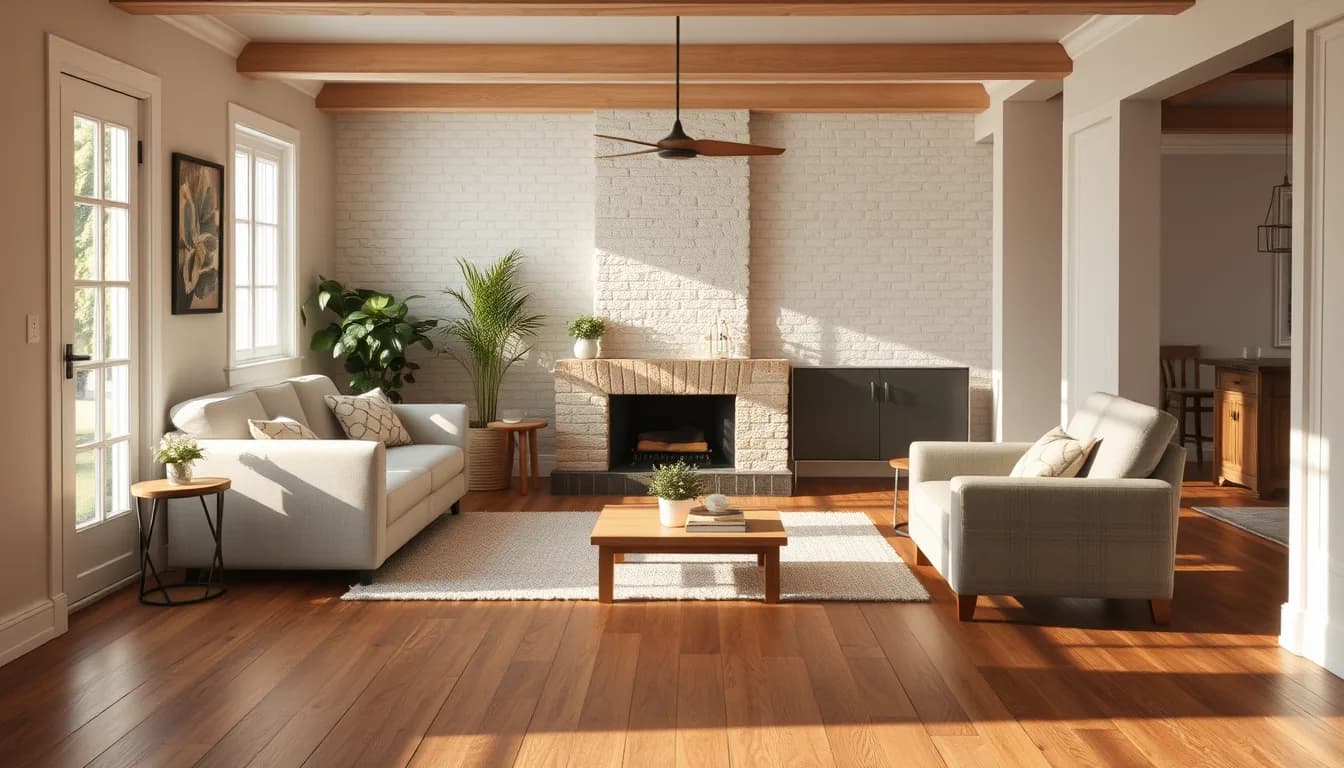
Hardwood flooring and luxury vinyl plank (LVP) are two of the most popular flooring choices for homeowners in Matthews, NC, but they perform very differently in real-world conditions. This comparison breaks down the actual pros and cons of each material so you can make an informed decision based on your lifestyle, budget, and home's needs.
How Do Hardwood and Luxury Vinyl Plank Differ in Appearance?
Hardwood flooring is solid wood with natural grain patterns, color variations, and textures that are completely unique to each plank. Luxury vinyl plank is a synthetic product with a printed photographic layer that replicates wood grain patterns, and today's high-definition printing technology makes the visual difference minimal from a standing height. Hardwood develops a natural patina over time as it ages, while LVP maintains its original appearance without changing. Close inspection reveals the texture and depth differences, but in most rooms, quality LVP convincingly mimics hardwood at first glance.
Which Material Holds Up Better to Everyday Wear?
Hardwood is susceptible to scratches from pet claws, furniture legs, and high heels, though harder species like oak and maple resist denting better than softer woods like pine. Luxury vinyl plank has a protective wear layer that resists scratches and dents more effectively than hardwood, making it a practical choice for high-traffic areas and homes with pets or children. Both materials can last decades, but hardwood can be sanded and refinished multiple times to remove surface damage, while LVP cannot be refinished and must be replaced if the wear layer is compromised. The tradeoff is that hardwood requires more careful daily maintenance to prevent damage, whereas LVP tolerates rougher treatment without visible wear.
How Does Each Material Handle Moisture and Spills?
Hardwood is vulnerable to water damage and will warp, cup, or stain if exposed to standing water or high humidity levels over time. Luxury vinyl plank is 100% waterproof in most products, meaning spills, pet accidents, and humidity will not damage the material itself, though moisture can still affect subfloors if it seeps through seams. Hardwood should never be installed in bathrooms, basements, or laundry rooms, while LVP performs well in these moisture-prone areas. This moisture resistance makes LVP the clear winner for homes in humid climates or rooms where spills are frequent.
Does One Material Add More Resale Value Than the Other?
Hardwood flooring is widely considered a premium feature that adds measurable resale value to a home, and many buyers specifically seek out properties with hardwood floors. Luxury vinyl plank is viewed as a practical, modern flooring option but does not carry the same resale cachet as real wood, though high-quality LVP is increasingly accepted by buyers who value durability and low maintenance. Appraisers and real estate agents generally assign higher value to homes with hardwood, especially in living rooms, dining rooms, and bedrooms. If resale value is a primary concern, hardwood typically offers a better return on investment in most housing markets.
What Are the Long-Term Maintenance Requirements?
Hardwood floors require regular sweeping or vacuuming, occasional damp mopping with wood-safe cleaners, and periodic refinishing every 7 to 10 years to maintain their appearance. Luxury vinyl plank needs only routine sweeping and damp mopping with standard floor cleaners, and it never requires refinishing or special treatments. Hardwood is more sensitive to cleaning products, sunlight fading, and humidity changes, while LVP is more forgiving and easier to care for over time. The maintenance gap widens significantly if you have pets, children, or a busy household where spills and scratches are common.
Quick Questions About Hardwood and Luxury Vinyl Plank
**Can luxury vinyl plank be installed over existing flooring?** In many cases, yes—LVP can be installed over tile, vinyl, or concrete as long as the subfloor is level and structurally sound, which saves time and removal costs. **Does hardwood flooring feel different underfoot than LVP?** Hardwood is solid and rigid, while LVP often has a slight give or cushion depending on the underlayment, which some homeowners find more comfortable and quieter. **Which material is better for homes with radiant floor heating?** Luxury vinyl plank is generally more compatible with radiant heating systems because it conducts heat efficiently and won't warp, whereas hardwood can shrink or gap when exposed to heat.
Key Takeaways
• Hardwood offers authentic natural beauty and adds resale value, but it scratches easily and cannot tolerate moisture. • Luxury vinyl plank is waterproof, scratch-resistant, and low-maintenance, but it doesn't carry the same premium appeal as real wood. • Hardwood can be refinished multiple times to extend its lifespan, while LVP must be replaced once the wear layer is damaged. • LVP is the better choice for moisture-prone rooms like bathrooms and basements, while hardwood is ideal for living areas where resale value matters. • Both materials can last 20+ years with proper care, but your decision should be based on your home's conditions, lifestyle, and long-term goals.
| Factor | Hardwood Flooring | Luxury Vinyl Plank (LVP) |
|---|---|---|
| Appearance | Natural wood grain, unique to each plank | High-definition printed wood look |
| Scratch Resistance | Scratches and dents easily | Highly scratch-resistant wear layer |
| Moisture Resistance | Vulnerable to water damage and warping | 100% waterproof in most products |
| Resale Value | Adds measurable resale value | Practical but less premium appeal |
| Maintenance | Regular care, refinishing every 7-10 years | Simple cleaning, no refinishing needed |
| Lifespan | Can be refinished multiple times | Cannot be refinished, must be replaced |
| Best Use | Living rooms, bedrooms, dining rooms | Kitchens, bathrooms, basements, high-traffic areas |