How to Choose the Right Flooring for High-Traffic Areas: Kitchens, Entryways, and Hallways
Published September 5, 2026
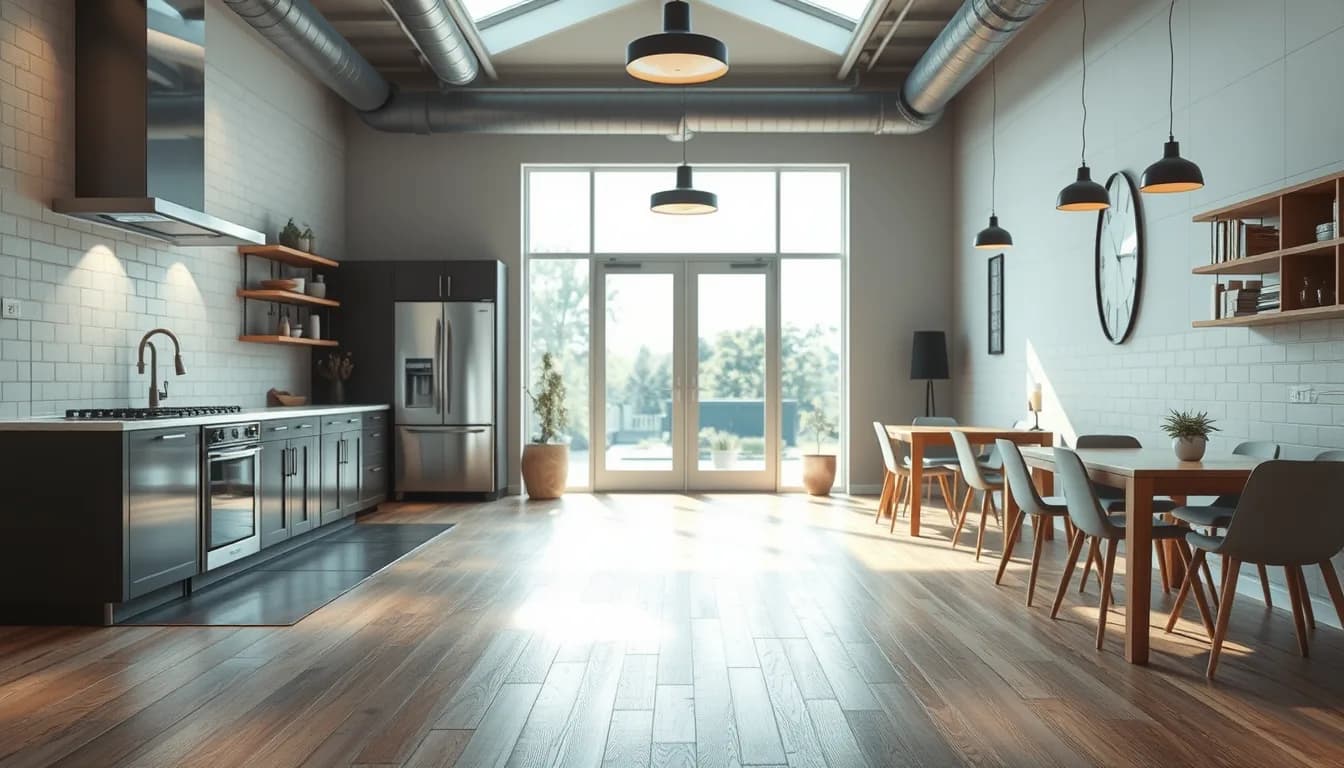
High-traffic areas like kitchens, entryways, and hallways require flooring that resists scratches, moisture, and constant wear while remaining easy to clean and maintain. Choosing the wrong material for these busy zones often leads to premature replacement, visible damage, and higher lifetime costs compared to selecting durable options upfront.
Why Do High-Traffic Areas Need Different Flooring Than Other Rooms?
Entryways see dirt, sand, and moisture tracked in from outside, which acts like sandpaper on softer flooring surfaces. Kitchens experience spills, dropped utensils, and standing water that can damage materials not rated for moisture exposure. Hallways endure constant footsteps, pet claws, and furniture movement, making scratch resistance and durability essential for maintaining appearance over years rather than months.
Which Flooring Materials Perform Best Under Heavy Foot Traffic?
Porcelain tile, luxury vinyl plank (LVP), and luxury vinyl tile (LVT) rank highest for durability in high-traffic zones because they resist both scratching and moisture without requiring frequent refinishing. Engineered hardwood with aluminum oxide finishes offers a wood aesthetic with better scratch resistance than solid hardwood, though it still requires prompt spill cleanup. Natural stone like slate or granite provides extreme durability but needs periodic sealing to maintain stain resistance, and softer stones like marble scratch more easily under grit and dirt.
How Do Pets and Kids Change Flooring Requirements for Busy Areas?
Pet claws create consistent scratching pressure that shows visibly on softer finishes, making waterproof LVP or textured porcelain tile better choices than traditional hardwood or laminate. Kids increase the likelihood of dropped toys, spilled liquids, and rough play, which means cushioned vinyl or textured tile with slip-resistant surfaces reduces both damage and safety concerns. Choosing materials with built-in scratch patterns or matte finishes helps disguise the inevitable wear from active households better than high-gloss surfaces that highlight every mark.
What Maintenance Do High-Traffic Floors Actually Need?
All high-traffic flooring requires regular sweeping or vacuuming to remove grit that causes surface scratches, with daily cleaning recommended for entryways. Waterproof materials like LVP and porcelain tile need only damp mopping with pH-neutral cleaners, while hardwood requires dry or barely damp cleaning to prevent water damage. Entry mats placed both outside and inside exterior doors capture most dirt before it reaches flooring, significantly extending the life and appearance of any material installed in those zones.
Should I Prioritize Budget or Durability When Choosing Flooring for These Areas?
Investing more upfront in durable materials for high-traffic areas typically costs less over ten years than replacing cheaper options multiple times. Budget-friendly laminate may work in low-traffic bedrooms but often shows wear in hallways within three to five years, while LVP or porcelain installed in the same space maintains appearance for fifteen years or more. Discount Floor Covering Outlet in Matthews, NC offers wholesale pricing on premium materials, allowing homeowners to access commercial-grade flooring without retail markups—contact Cheryl Magliocca at (704) 449-1065 for pricing on specific products suited to your household's traffic patterns.
Quick Answers About High-Traffic Flooring
**Can I install hardwood in my entryway?** Engineered hardwood with a commercial-grade finish works better than solid hardwood in entryways because it handles moisture fluctuations without cupping, though waterproof alternatives like LVP eliminate the risk entirely. **Is carpet ever appropriate for high-traffic areas?** Low-pile, stain-resistant carpet with dense construction can work in interior hallways with less moisture exposure, but it shows wear faster than hard surfaces and requires professional cleaning to maintain appearance. **Do I need the same flooring throughout all high-traffic zones?** Using one durable material across kitchens, entryways, and hallways creates visual continuity and simplifies maintenance, though transitioning to different materials between defined spaces works if each selection meets the durability requirements of its specific zone.
Key Takeaways
**Porcelain tile, luxury vinyl plank, and luxury vinyl tile offer the best combination of scratch resistance, moisture tolerance, and low maintenance for kitchens, entryways, and hallways.** Engineered hardwood provides a wood look with better durability than solid hardwood, but waterproof alternatives eliminate moisture concerns entirely. Households with pets and children benefit most from textured, waterproof surfaces that disguise wear and resist scratching from claws and dropped objects. Regular sweeping and entry mats prevent grit accumulation, which is the primary cause of surface scratching across all flooring types. Investing in commercial-grade materials for high-traffic zones costs less over time than repeatedly replacing budget options that show visible wear within a few years.
| Material | Scratch Resistance | Moisture Tolerance | Maintenance Level | Best Use Case |
|---|---|---|---|---|
| Porcelain Tile | Excellent | Excellent | Low (sweep and mop) | Entryways, kitchens, high-moisture zones |
| Luxury Vinyl Plank (LVP) | Very Good | Excellent (waterproof) | Low (sweep and damp mop) | All high-traffic areas, pet households |
| Engineered Hardwood | Good (with commercial finish) | Moderate (needs prompt spill cleanup) | Moderate (dry or barely damp cleaning) | Interior hallways, kitchens with careful use |
| Natural Stone (Slate/Granite) | Excellent | Good (requires sealing) | Moderate (periodic sealing needed) | Entryways, formal high-traffic spaces |
| Laminate | Fair to Good | Poor (swells with moisture) | Low (dry or barely damp cleaning) | Budget interior hallways only, not entryways/kitchens |